What if the most undervalued asset class on Earth is the Earth itself?

That question is worth $44 trillion a year. That is more than half of global GDP, directly dependent on nature. And almost nobody is taking it seriously.  Until now...

Scroll
A new podcast

TheNature
Means
BusinessPodcast

The podcast about what happens when nature becomes good business — for everyone from supermarkets to startups, investors to inventors.

Two hosts. One mission. The conversation the world needs to hear.

-- Days
:
-- Hours
:
-- Minutes
:
-- Seconds
You're on the list. Welcome to the conversation.

No spam. Just launch updates and the ideas that matter.

The shift

Three forces are converging.
Most people haven't noticed.

First: serious money is moving into nature. Not charity. Not PR. Real investment — in restoring land, cleaning rivers, rebuilding ecosystems. The kind of investment that nature credit markets, nature-based solutions, and green finance products are channelling at scale. This isn't a niche. It's a new asset class forming in real time.

Second: the rules are changing. New regulations now require tens of thousands of companies — including major retailers, food brands, and consumer goods businesses — to report how they depend on and affect nature. This isn't coming. It's already here. And it affects every supply chain that touches the living world.

"Nature is not just something to protect. It is one of the next great arenas for invention."

Third: we can finally measure what matters. Satellite imaging, DNA sampling, AI monitoring — the technology to track nature's health in real time now exists. The question isn't whether we can prove nature recovery works. It's who builds the trust to make everyone believe it.

These three forces are creating something genuinely new: the moment where restoring nature and growing a business stop being opposites — and start being the same thing.

That moment deserves a proper conversation.
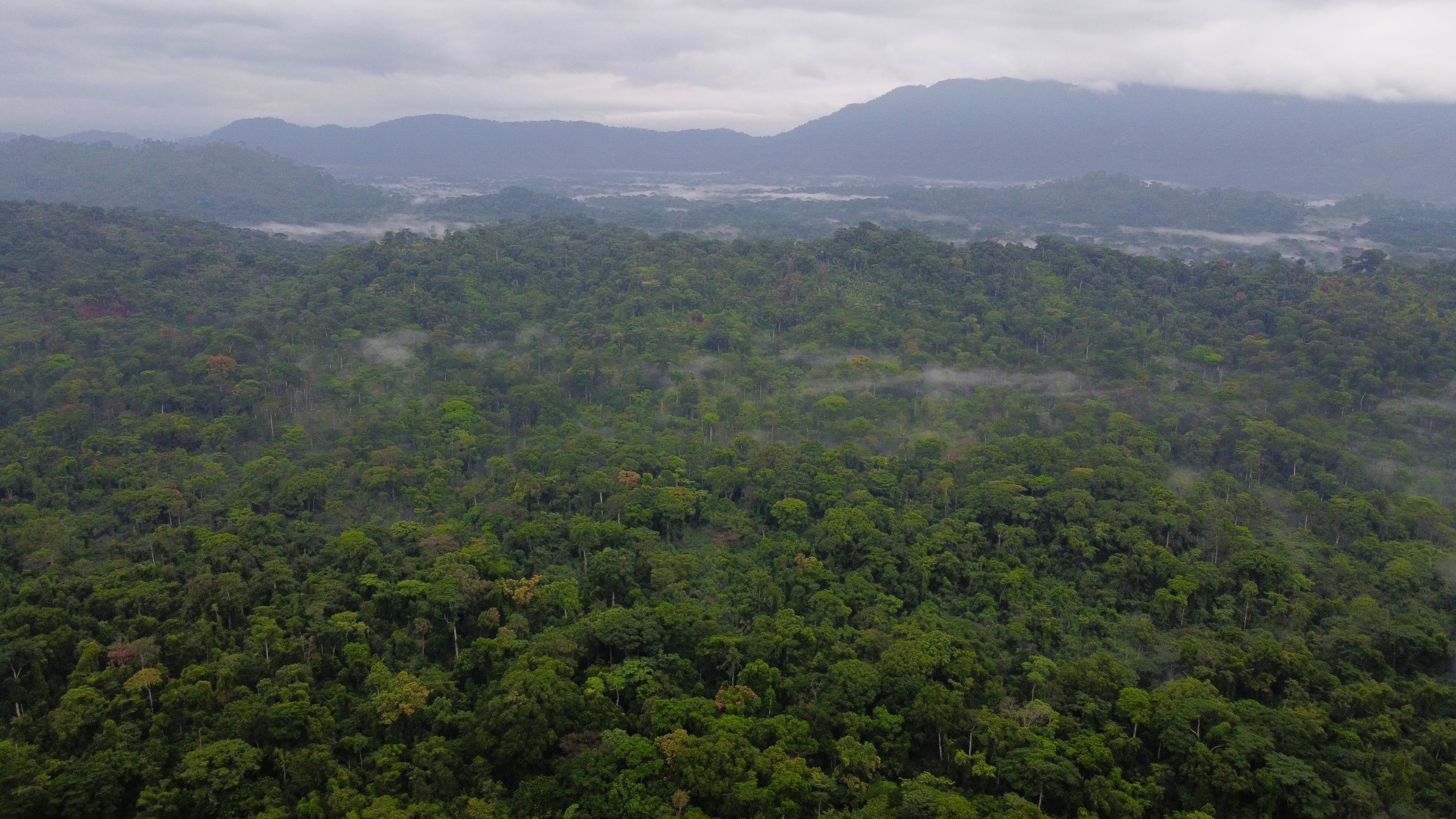
River winding through a lush green landscape

Meet the hosts

Two perspectives. One ambition.

Cain Blythe
Rewilder · Nature finance · Author

Cain has spent 30 years in nature recovery — from species recovery to boardroom presentations. A Chartered Environmentalist, co-author of Rewilding (MIT Press), and founder of CreditNature and Ecosulis, he's one of the people actually building the bridge between ecology and economics. Named one of the UK's 100 most influential environmentalists, he brings the science, the conviction, and the uncomfortable questions.

Rewilding Nature credits Ecosystems Systems change
Will Foulkes
Green Margins · Blockchain · Former Magic Circle lawyer

Will went from advising FTSE 100 boardrooms at Linklaters to building Stabiliti — a company that embeds nature funding into everyday retail transactions. His “green margin” model already runs in thousands of UK stores. A former Head of Blockchain turned nature-finance CEO, he sees what most people miss: that the infrastructure to fund nature at scale doesn't exist yet. So he's building it.

Retail infrastructure Green margin Nature funding Business building

"One sees the ecology. The other sees the economics. Together, they see what's coming — and it's bigger than either world expects."

Four frontiers.
One podcast.

The themes that run through everything we do.

Nature × Technology

Satellites that watch forests grow. DNA that reads a river's health. AI that tracks recovery in real time. The tools exist — the question is who uses them, and who trusts them.

Can technology restore what we've lost?

Nature × Finance

From nature credits to green margins at the checkout, money is starting to flow into nature — not as charity, but as business. The products are new. The opportunity is vast. The scrutiny is overdue.

What happens when nature becomes investable?

Nature × Policy

Governments are rewriting the rules. Mandatory nature reporting. Supply chain accountability. New standards for what counts as “sustainable.” These regulations will reshape how every consumer-facing business operates.

What happens when the rules change — for everyone?

Nature × Builders

The people planting the forests, writing the code, designing the products, and signing the cheques. Not theorists. Practitioners. The ones who'll look back and say: we built this.

Who's actually doing the work?
Coming soon

Episode 00: The Wild Frontier

Why is nature suddenly on the agenda of retailers, investors, and governments at the same time? What changed? What's at stake for businesses that depend on the natural world — which is all of them? And why does this conversation need to happen now?

This is where it starts.

Nature recovery Retail & supply chains Investment The new rules
0:00 42:18
This is not another greenwashing exercise.
This is not the same recycled talking points.
This is not the doom-laden version of the future.
This is a podcast about invention, recovery, capital, nature, and what it takes to build a Recoverable Earth in our lifetime. One that's worth the investment.
Why now

The numbers speak for themselves.

$44T
of global economic value generation depends directly on nature and its services. More than half of world GDP.
World Economic Forum, 2020
$700B
annual gap in biodiversity finance. The difference between what's needed to halt nature loss and what's currently being invested.
Paulson Institute / Nature Conservancy, 2020
50,000+
companies — including major retailers, food producers, and consumer brands — now required to report on how their business affects nature. The era of voluntary disclosure is over.
European Commission / TNFD, 2024
Founders Retailers Investors Brand leaders Scientists Policymakers Builders Operators Founders Retailers Investors Brand leaders Scientists Policymakers Builders Operators

Don't miss what's coming.

New episodes, exclusive insights, and the ideas reshaping nature and business. No noise. Just the conversations that matter.

You're on the list. Welcome to the conversation.